
VORQA GLOBAL SUPPLY
Galvanizing Plants
VORQA aims to develop integrated hot-dip galvanizing solutions within the cooperation it intends to develop with Galva Pro. Process design, layout, capacity, energy infrastructure and future growth are assessed together.
Discuss Your ProjectSolutions and service scope depend on technical assessment, site conditions and contract terms.
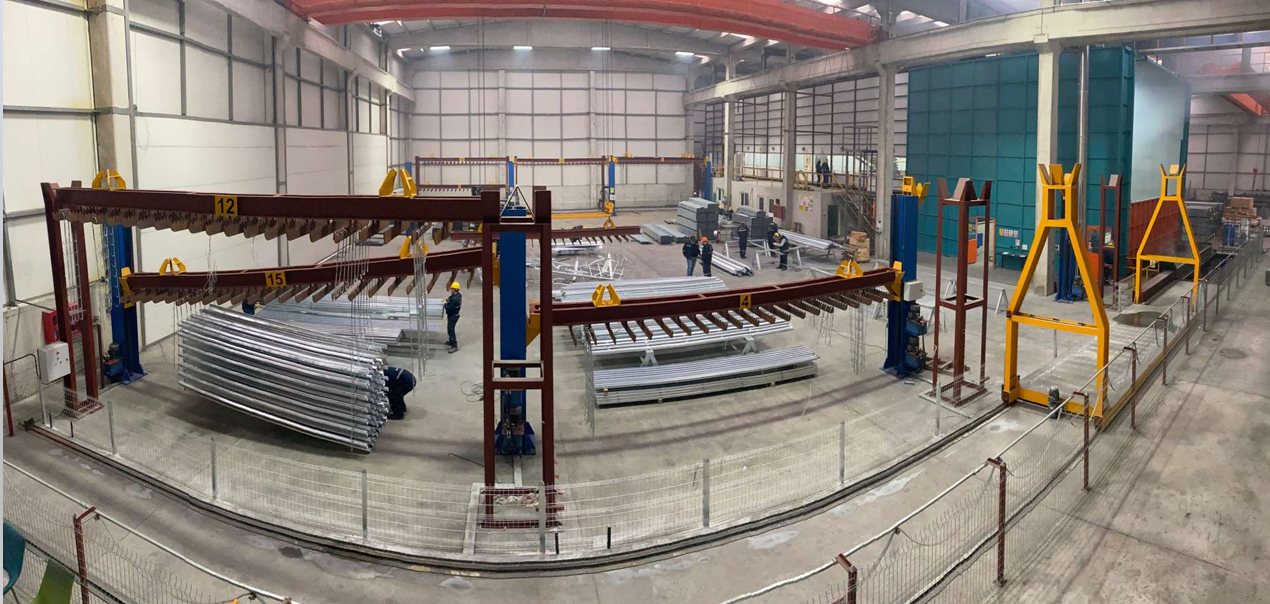
Complete hot-dip galvanizing plants
Concept development, process design, line configuration, furnaces and thermal systems are considered alongside material handling, dipping and auxiliary units. Installation, commissioning and technical training scope is defined by project requirements.
Furnaces and thermal processes
Furnace design and insulation, burner selection, temperature distribution, combustion control and maintenance are evaluated together. The aim is a balanced, controlled thermal process suited to the production schedule and energy source.
Heat recovery
Flue-gas heat recovery, combustion-air preheating and preheating suitable auxiliary fluids may be technically assessed. Recovery potential depends on temperature, gas composition, flow rate, operating hours, fouling risk and process demand. Savings must be verified using project data.
Modernization and capacity expansion
Existing-plant assessment, furnace and burner upgrades, heat recovery integration and control renewal may be considered. Bottlenecks, cycles, handling and auxiliary systems are reviewed alongside feasibility, investment needs and expected improvements.
Automation and environmental systems
Depending on scope, options may include PLC/HMI control, temperature and combustion management, alarms, process records and energy monitoring. Emission control, particulate collection and gas scrubbing in suitable processes are assessed against plant conditions and applicable requirements.
Technical support and scope
Maintenance planning, fault diagnosis, spare parts, training and remote or on-site support depend on the contract.
Frequently asked questions
Is heat recovery suitable for every plant?
Suitability requires technical assessment of temperature, gas composition, flow, operating hours, fouling and process needs. A fixed savings rate is not assumed.
How is capacity expansion assessed?
Furnaces, process cycles, material flow, handling and auxiliary systems are reviewed together. Capacity is considered alongside energy, process reliability and quality.
Let’s assess your project
Share your production targets, site conditions and technical requirements.
Discuss Your Project